
Beauty, Love, and the Artist’s Brain
Many years ago, I attended a workshop on the Oregon Coast. Our teacher guided us through a process of finding our artistic vocabularies. This was the process of learning how to put words to what she called the experience of “aesthetic ecstasy,” that surge of love and joy when you become captivated by some moment of beauty.
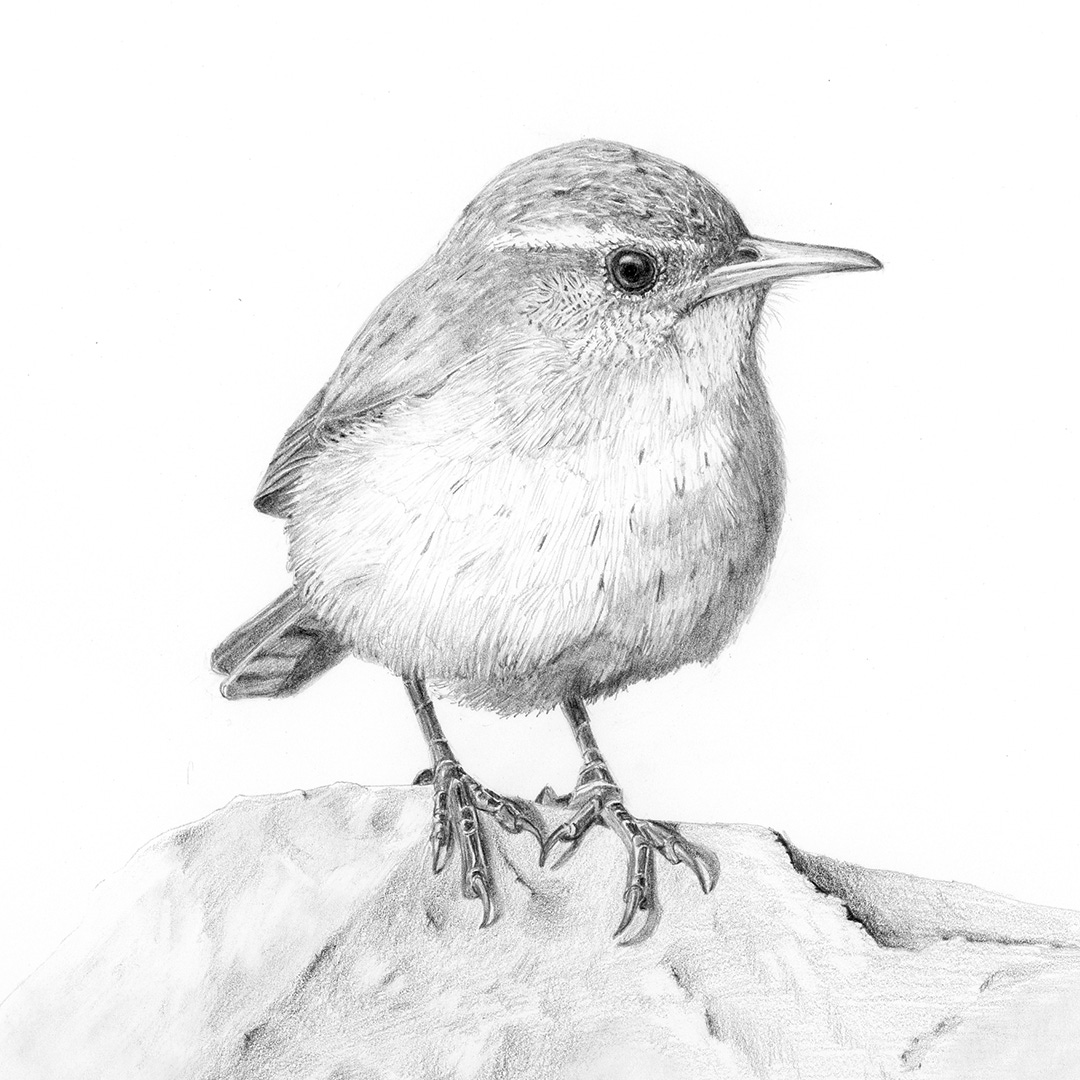
Here’s an example. A few years ago, I was sitting at my dining room table working on a drawing of a Rock Wren. As I carefully added the cast shadows of the bird’s feet on the stone it was perched on, I had what I can only describe as a jolt of intense joy. I remember grabbing my husband to come look at the shadows with me. I was gobsmacked with aesthetic ecstasy.
As it turns out, neuroscientists have a name for this feeling: septal resonance1. When you feel love, that’s your brain’s septum brimming with lots of oxytocin. Oxytocin is part of how dopamine is produced for other parts of the brain. In short, the experience of love has all sorts of positive effects that trickle down into motivation, purpose, drive, and attention.
If love and beauty really interact this way, then what we do as artists matters more than we might realize. Our own experiences of aesthetic ecstasy are more than just pleasant feelings; they’re sources of strength and persistence that help sustain our practice. But perhaps even more important is how our work can create opportunities for aesthetic ecstasy for others.
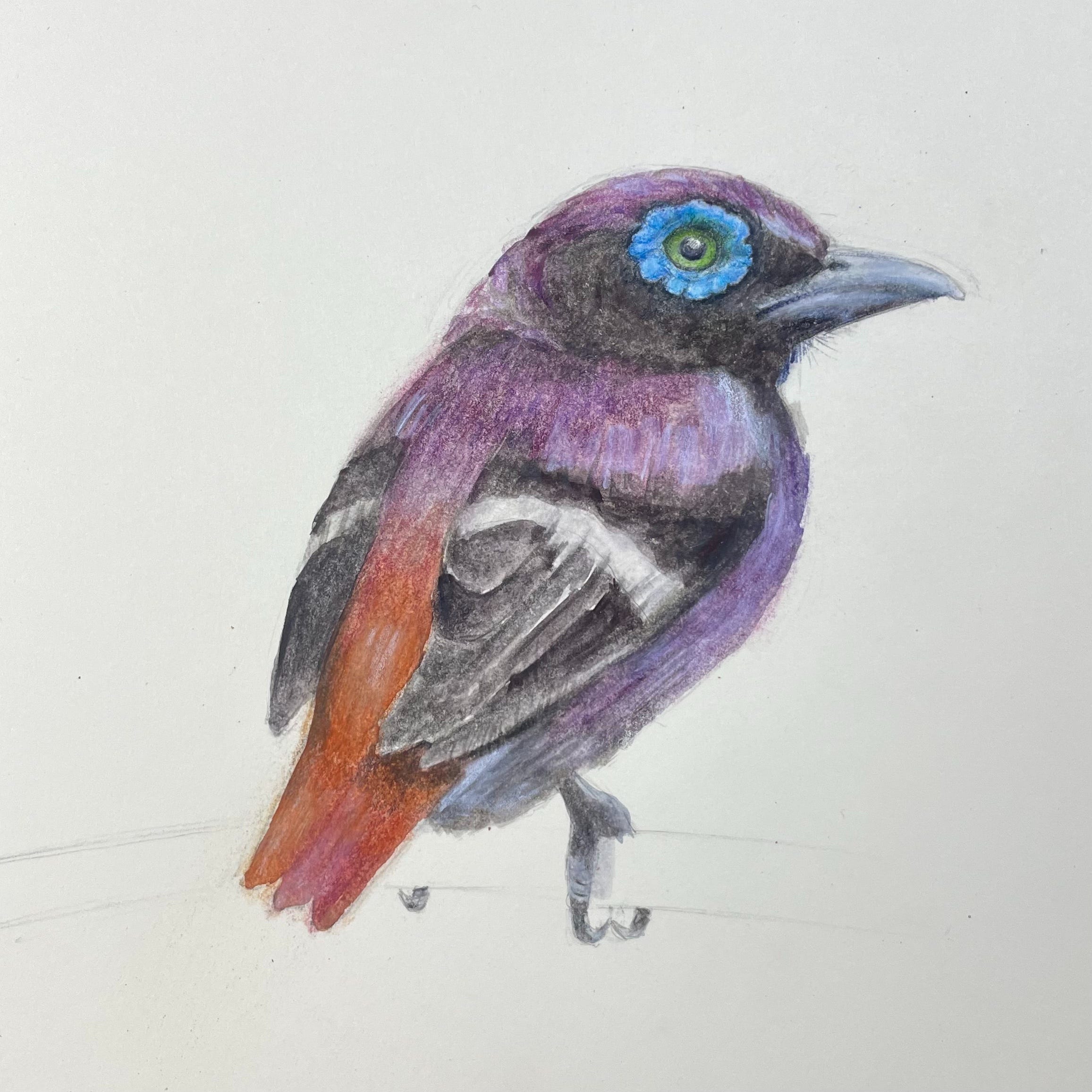
I see this as how we explore what matters most to us, express that meaning as honestly as we can, and then send our work into the world where it can be seen, enjoyed, and felt by someone else.
When you feel an affinity for someone’s work, I think that’s often a sign that this kind of resonance is happening. Your sense of aesthetic ecstasy is being stirred by what that person has made. When this happens to me, I find myself thinking, That makes me want to be a better artist, not out of envy, but out of admiration and delight in what they’re creating.
Here’s the takeaway I’d like to suggest: seek out your own experiences of aesthetic ecstasy in three ways.
One: Look for the art that makes your heart go pitter-pat. Drink that warmth and affinity in like a cup of hot tea on a cold day. Let it warm you from the inside. There’s no need to put words to it right away; just feel it and notice what it awakens in you.
Two: Pay attention to moments of aesthetic ecstasy in your own work. If you draw or paint, you’ll know what I mean when a particular line, color, or brushstroke suddenly fills you with happiness. Those moments are worth noticing and honoring.
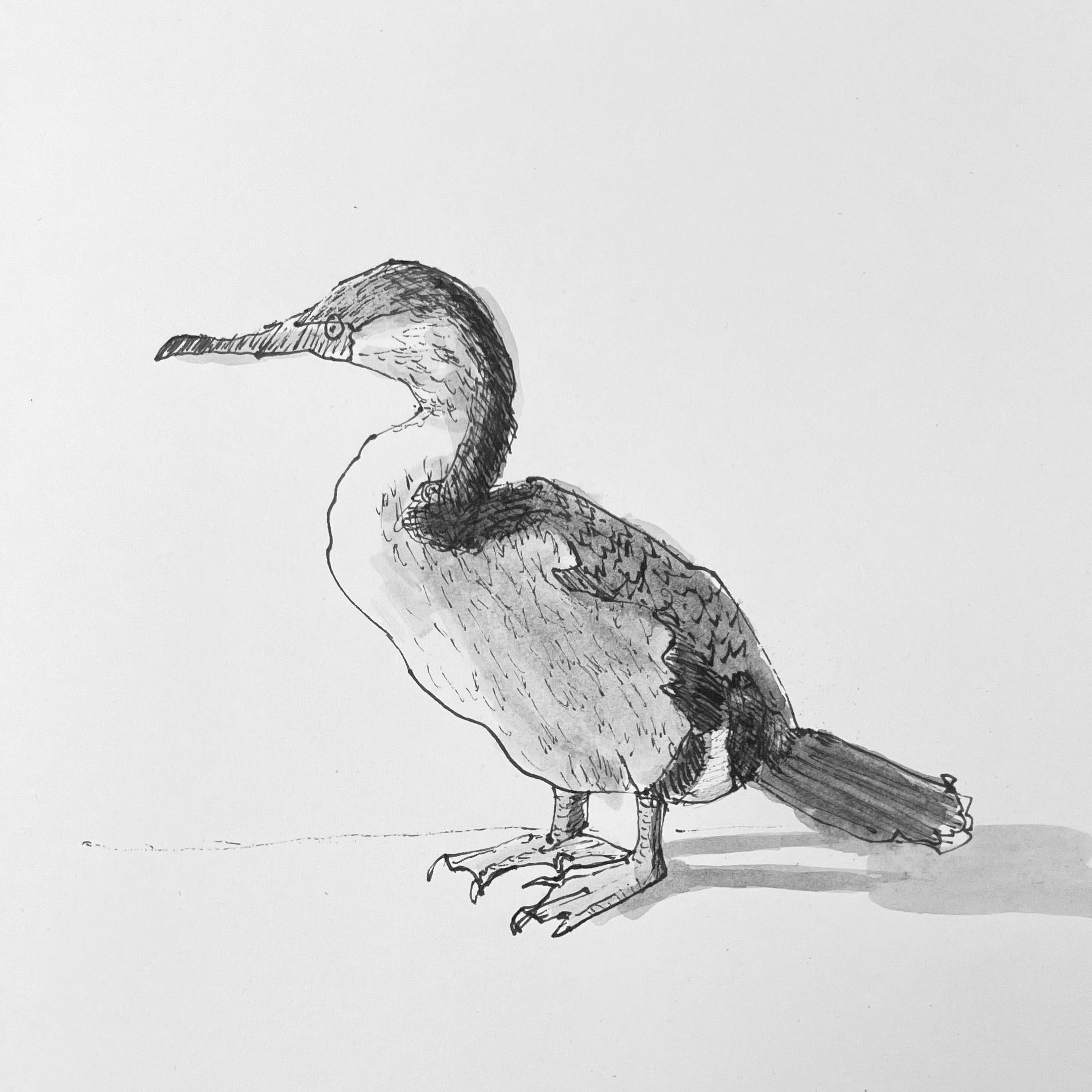
Three: Listen carefully to what people share with you about your work. Some time ago, someone commented on a drawing I’d made and told me how it helped her imagine an entire beach scene. That feels like this resonance at work. I’m not suggesting that we turn this into a chase for likes or subscribers. But I do think it matters to notice when something that fills us with love and delight finds a home in someone else’s sense of beauty. Those moments, however rare or fleeting, are quiet markers that remind us we’re not on this path alone.
Making art can be a profoundly lonely experience. Most of us work in solitude. While we can’t control how someone might feel when they encounter our work, we can choose to infuse our practice with love. The more care we bring to how we live, the more joy we allow ourselves in the act of creating, and the more intentionally we pursue moments of delight, the more these efforts matter in ways we can’t always anticipate.
When you create art you love, from a place of love, it makes a difference. I know it may sound improbable, but that love can be felt by someone else when they encounter your work. Bringing that possibility into the world—now more than ever—feels vitally important.
✨ If this resonated with your own experience of making or noticing beauty, I’m glad you’re here. You’re in good company.
As an artist, writer, and swooner, I just love this post, Tara. Yes, to love, to taking it in.
This has really deep resonance for me, not only because I know it to be true for myself in my own work, as I'm working, but also because recognising that it's true for others is so significant - I'm aware of that too, but thank you for highlighting it so beautifully and reminding me of it. It's crystallised it into something I can hold on to and celebrate.