
Ballpoint Magic: How to Make the Most of Your Pen
Beginner-friendly tips to improve your drawings
I first picked up a ballpoint pen to sketch because another artist inspired me. Somehow I thought the pen was a magic wand to endow me with confidence and skill. But ballpoint surprised me: it opened up spontaneity, expression, and the freedom to capture my own experience. Now it’s a regular part of my practice, and I’ve come to love it.
Here are some of the things I’ve learned that help me to make the most of this surprisingly forgiving tool.
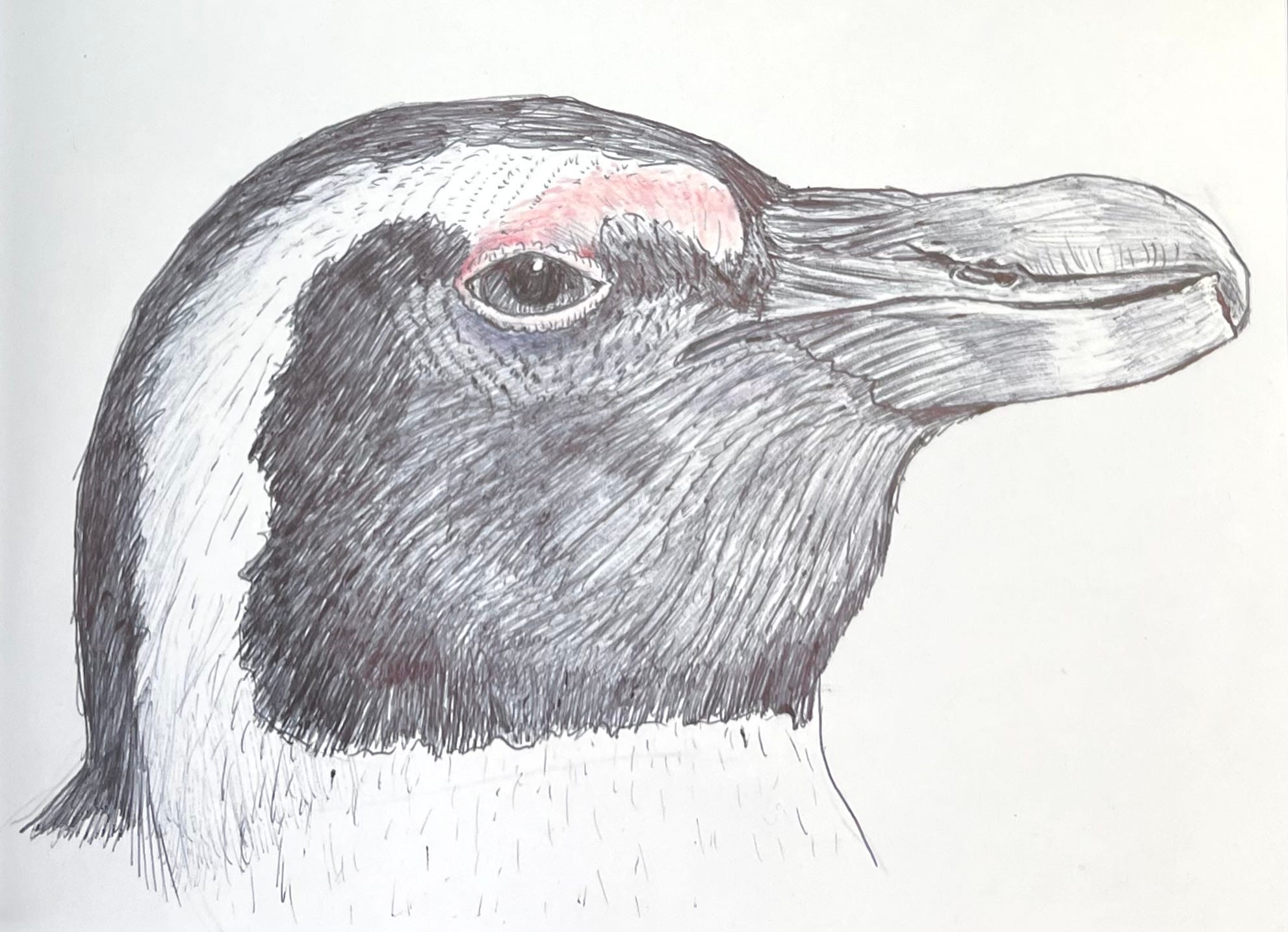
I’ll admit, I’m not a master of ballpoint—but I love working with it. Ballpoint is the unsung magic weapon of the drawing world: capable of delicate textures, bold lines, and subtle shading. It’s inexpensive, easy to find, and forgiving enough for beginners while still challenging enough to reward practice.
Because ballpoint ink is oil-based, it becomes waterproof once dry—a surprising bonus. There are trade-offs, though. The ink can sometimes blob at the tip, which you can fix by keeping a scrap of paper or a napkin handy to wipe it. And since many pens are disposable, they do create plastic waste. If that bothers you, look for refillable models (though even those eventually end up in the trash).
Personally, I reach for black ink most often, though ballpoints come in every color imaginable. My go-to pens are the Bic Cristal and the Pentel R.S.V.P., which each have their own quirks and advantages.
Once you’ve got your pen in hand, the real fun begins: learning how to control the lines it makes. A good place to start is with line weight.
Line Weight
Line weight refers to the thickness of a stroke, and ballpoint pens can surprise you with their range. The Pentel R.S.V.P., in particular, allows for fine, varied lines. You can also reinforce strokes to give them more emphasis. Play with pressure and repetition until you find the balance that feels expressive.
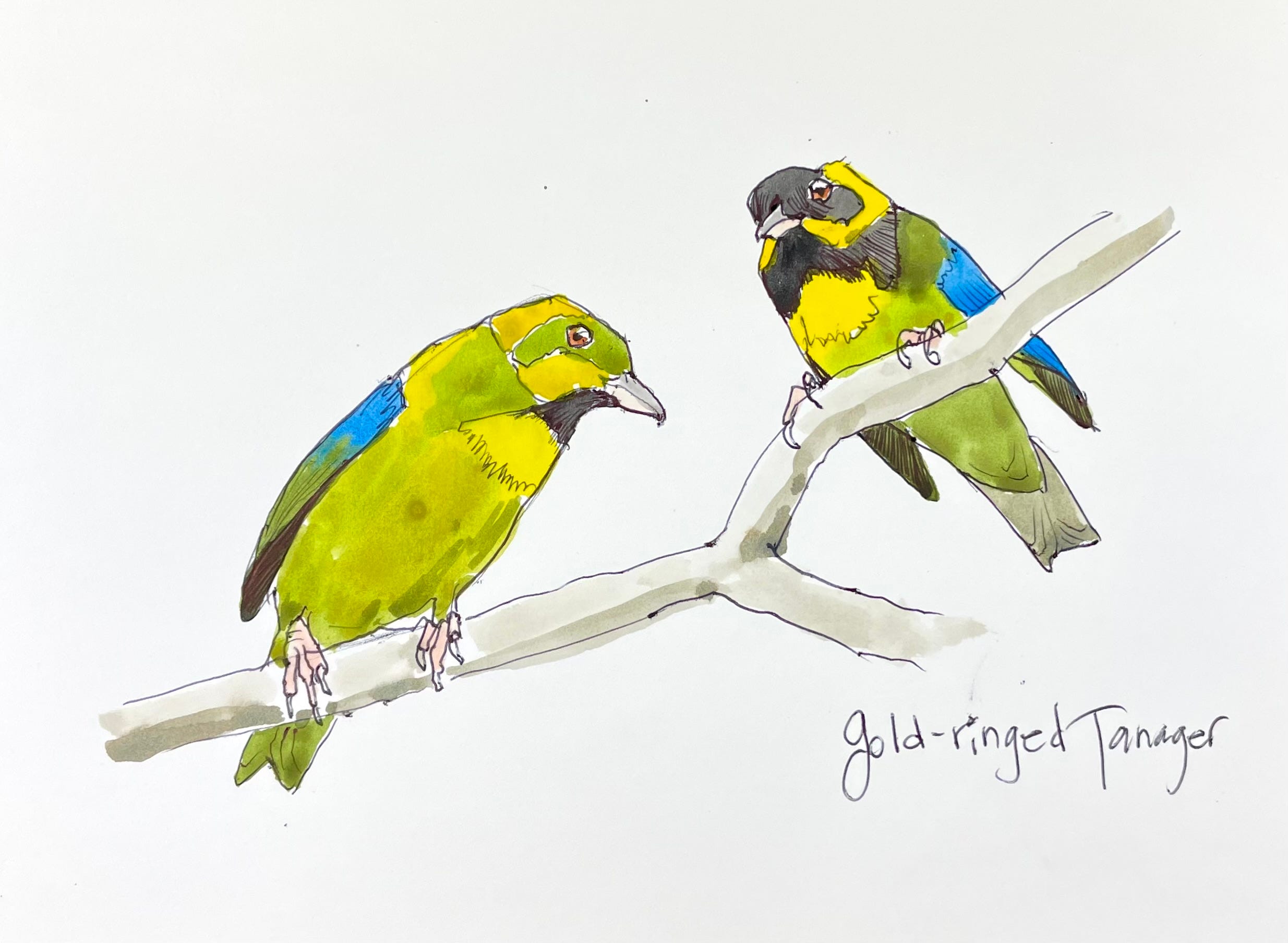
Line Quality
Good line quality is about confidence. A few decisive, purposeful strokes will almost always look better than hesitant, scratchy ones. Ballpoints make it easy to fall into a tangle of short, searching marks—but resist that temptation. Practice tapering your lines, aiming for accuracy, and letting each stroke have intention. (For a deeper dive, check out this video: Proko on Line Quality).
A quick note for those who want to go a little deeper:
If you’ve enjoyed my posts and sketches, becoming an Insider is a simple way to support my work—and it helps me dedicate more time to creating the tutorials, references, and behind-the-scenes content you love. Every paid subscription makes it possible to keep sharing more with you.
Shading and Edges
Ballpoints shine when it comes to shading. They can move from the softest gray to deep black with just a shift in pressure. Early on, I pressed too hard and ended up with blotchy patches. Now I build up values slowly, layering with a light touch. Try practicing both hard edges and soft transitions; each gives a different kind of depth and mood.
Mark-Making
Hatching, cross-hatching, parallel lines, scribbles—every kind of mark tells a different story. One of my favorite artists, Dave Mottram, uses what looks like chaotic scribbling to create depth and value. But on closer inspection, his strokes follow cross-contours and deliberate directions. It’s a reminder that even “messy” marks can hold intention.
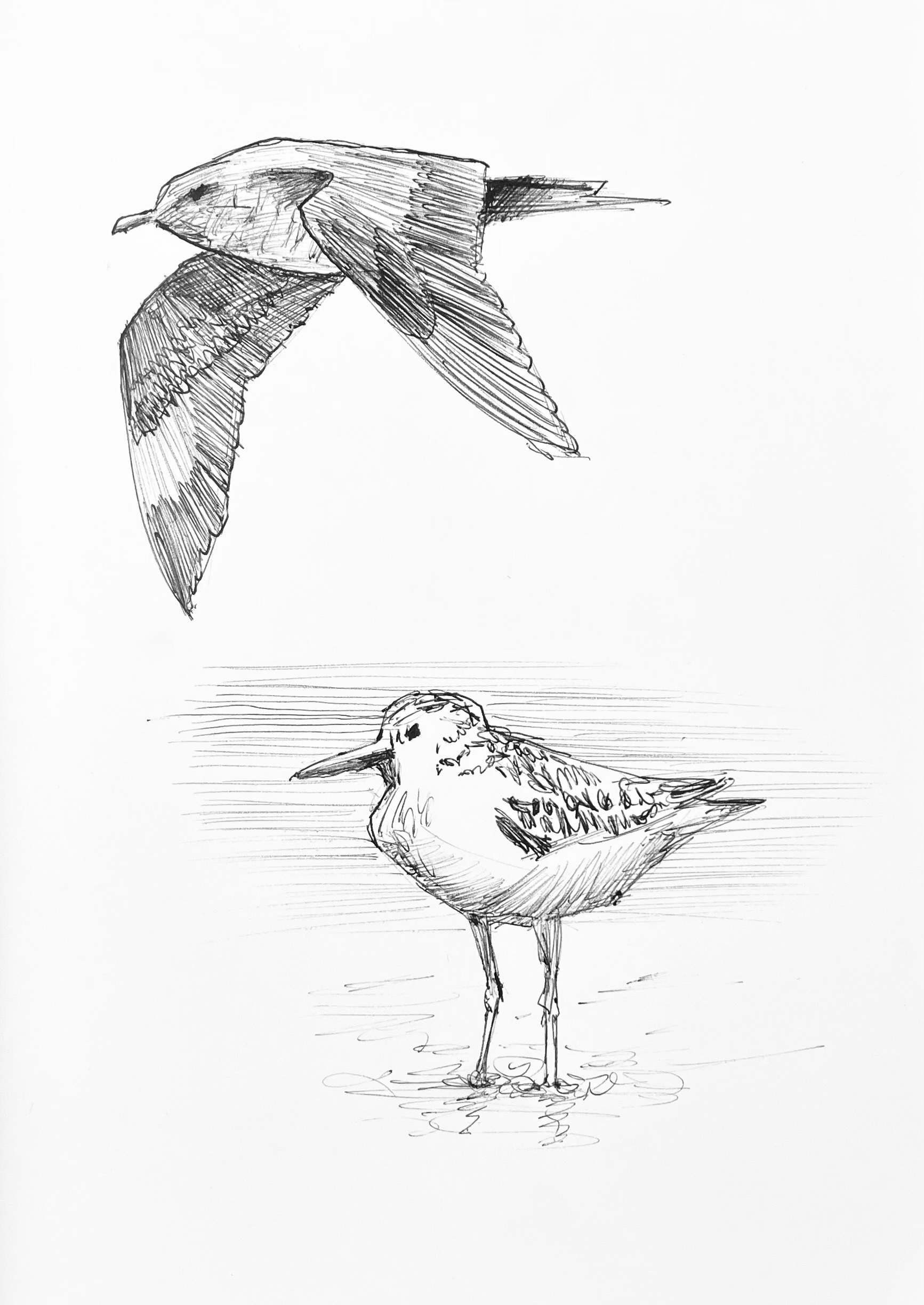
Learning from Mentors
Keep an eye on how other artists use ballpoint or other inks. Instead of copying their work, ask: What do I like about their strokes? Their shading? Their texture? Then, experiment with those qualities in your own sketches.
Searching Lines
One of the best things about ink is that you can’t erase it. That sounds scary, but it also frees you. You can still use light, searching lines to find your shapes—just don’t overdo it. Once you’ve found the right contour, reinforce it with a stronger stroke. This dance between loose and deliberate lines is what gives ballpoint sketches their life.
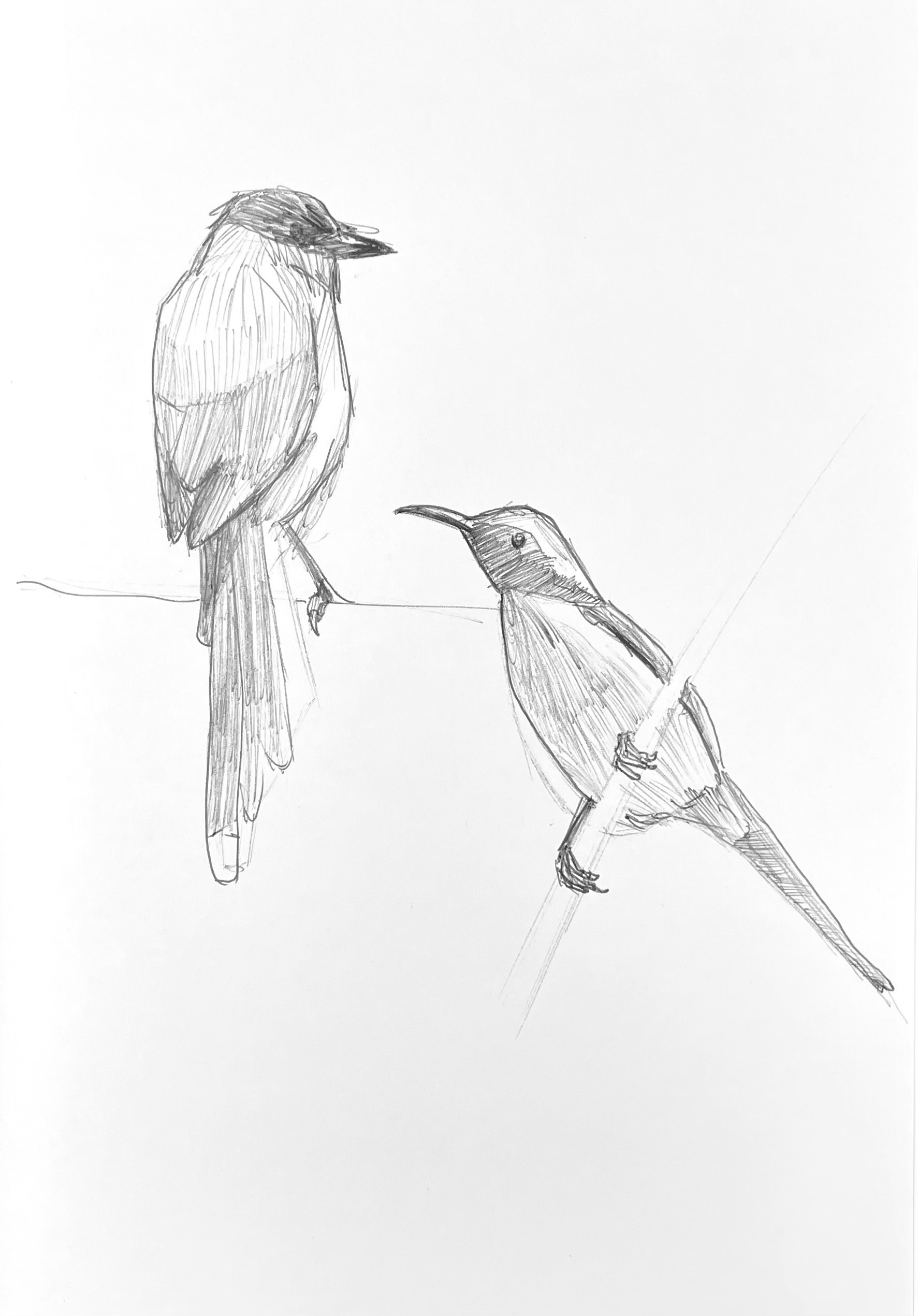
Don’t Correct Mistakes
And above all: don’t hide your mistakes. They’re part of the drawing’s honesty. Crossing out, overworking, or “fixing” often makes things worse. Instead, let the wrong line live alongside the right one. With time, you’ll get more decisive, but you’ll also grow more tolerant of imperfection. Ballpoint sketching is as much about practicing courage as it is about practicing skill.
Sketching in ballpoint began as an attempt to imitate another artist—born from comparison. But it has grown into a practice that brings me spontaneity, expression, and confidence. Ballpoint taught me that showing up, making marks, and embracing imperfection can be more rewarding than trying to be like someone else.
If you give ballpoint a try this month, I’d love to see what you create—feel free to share your sketches in a Note and tag me.
Excellent article, Tara 😉
Thanks for sharing 😁👍
Ballpoint pens are my favorite drawing tools. I like that they teach you to draw fearlessly (no erasing!) while at the same time being quite forgiving. That also makes them the perfect stepping stone for a transition from pencil to ink.
Thanks for your nice post!