
The Joy of Mentoring Other Artists
Lessons I’ve learned from being a mentor
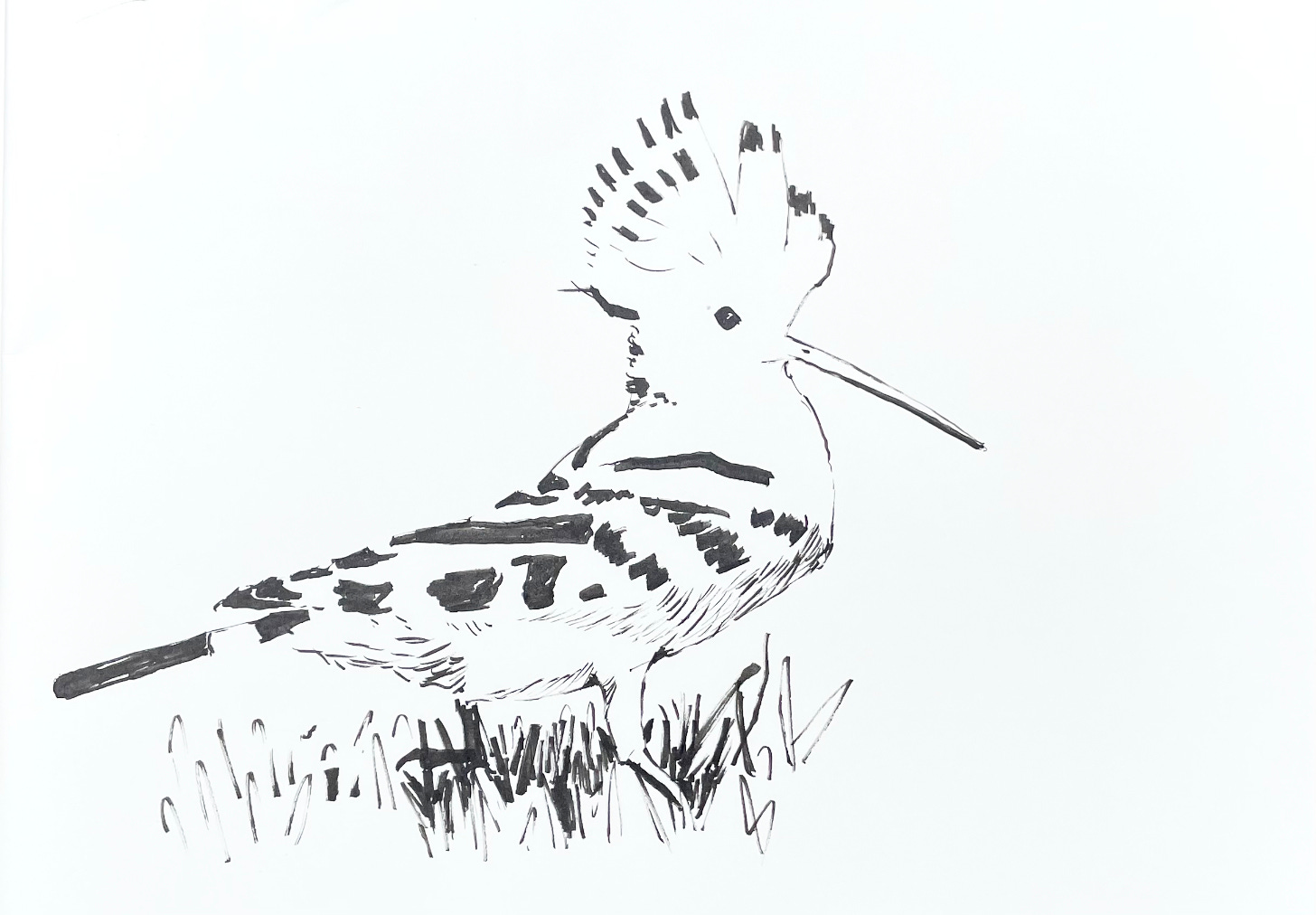
Since I began my journey to becoming a professional artist, I’ve been mentored twice. First, by illustrator and pattern designer Dylan Mierzwinski and then by the incomparable painter Annamieka Hopps Davidson. While the two experiences were quite different, they shared one thing in common: they catapulted me into profound growth as an artist.
So when I was asked to become a mentor, I was delighted and a little apprehensive. After all, I had some big shoes to fill! After climbing into the big shoes and completing my first mentoring experience, I was asked to mentor a second student.
Today, I’d like to introduce you to my two mentees and share a few of the lessons I’ve learned from being an artists’ mentor. Not only do I want to share insights I’ve gained from being a mentor but I also hope to encourage you to mentor others or become a mentee yourself. Both are remarkable experiences that will help you to grow in ways you can’t anticipate or plan!
So without further ado, let me introduce you to my two mentees.
My first mentee was Betty Shen.
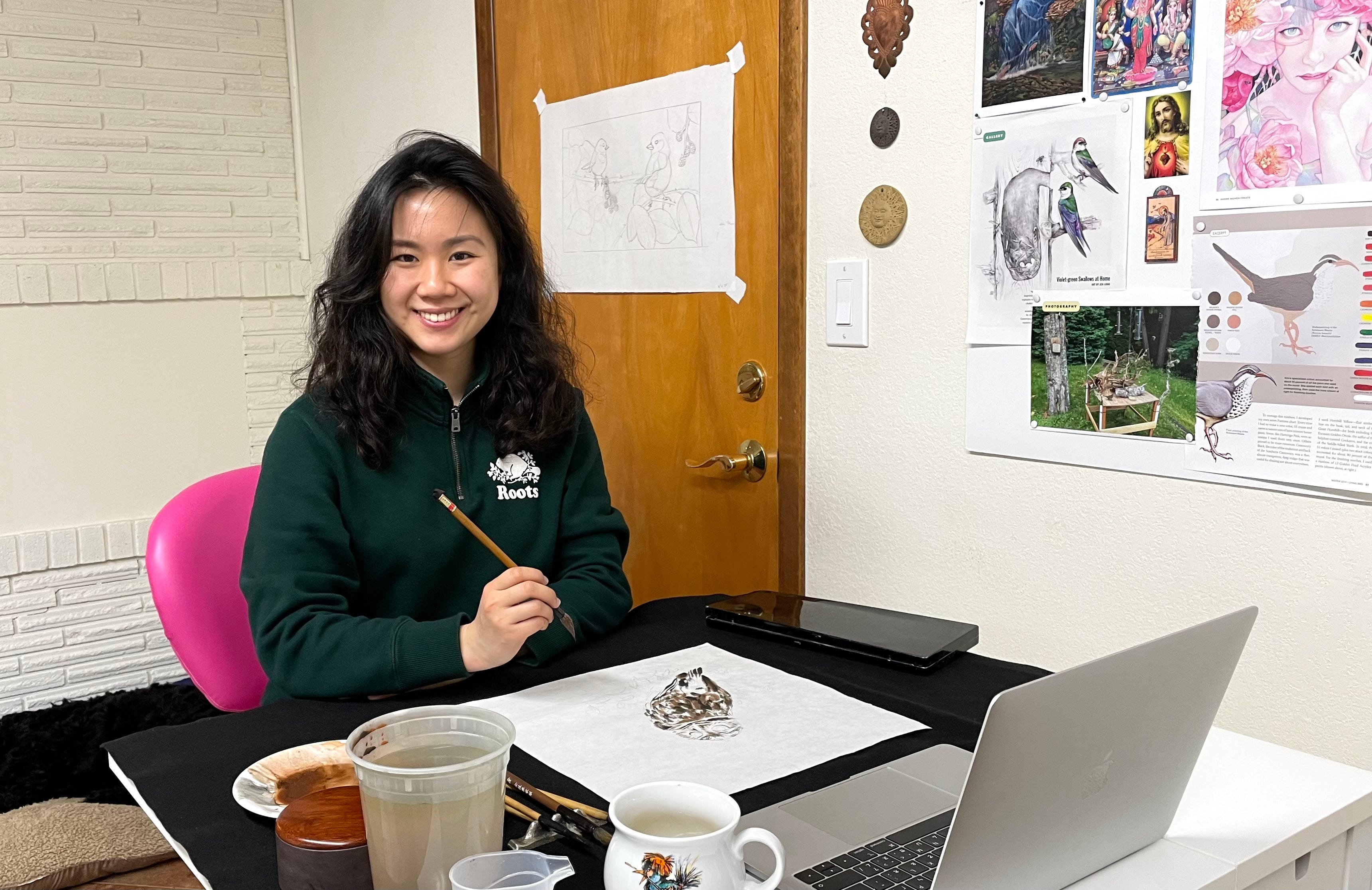
Betty Shen is working on her Ph.D. in the department of Fisheries, Wildlife, and Conservation Sciences at Oregon State University. Her project revolves around analyzing an enormous dataset that was collected over the entire state of Oregon. Her work will help scientists learn how bird populations are affected by things like climate change and land use such as agriculture, urbanization, and forestry practices.
For her fellowship, Betty wanted to create illustrations that would help explain her dissertation chapters. As an added plus, she was combining traditional Chinese painting with editorial style illustrations. Betty and I worked together to envision concepts that could tell the stories of her work.
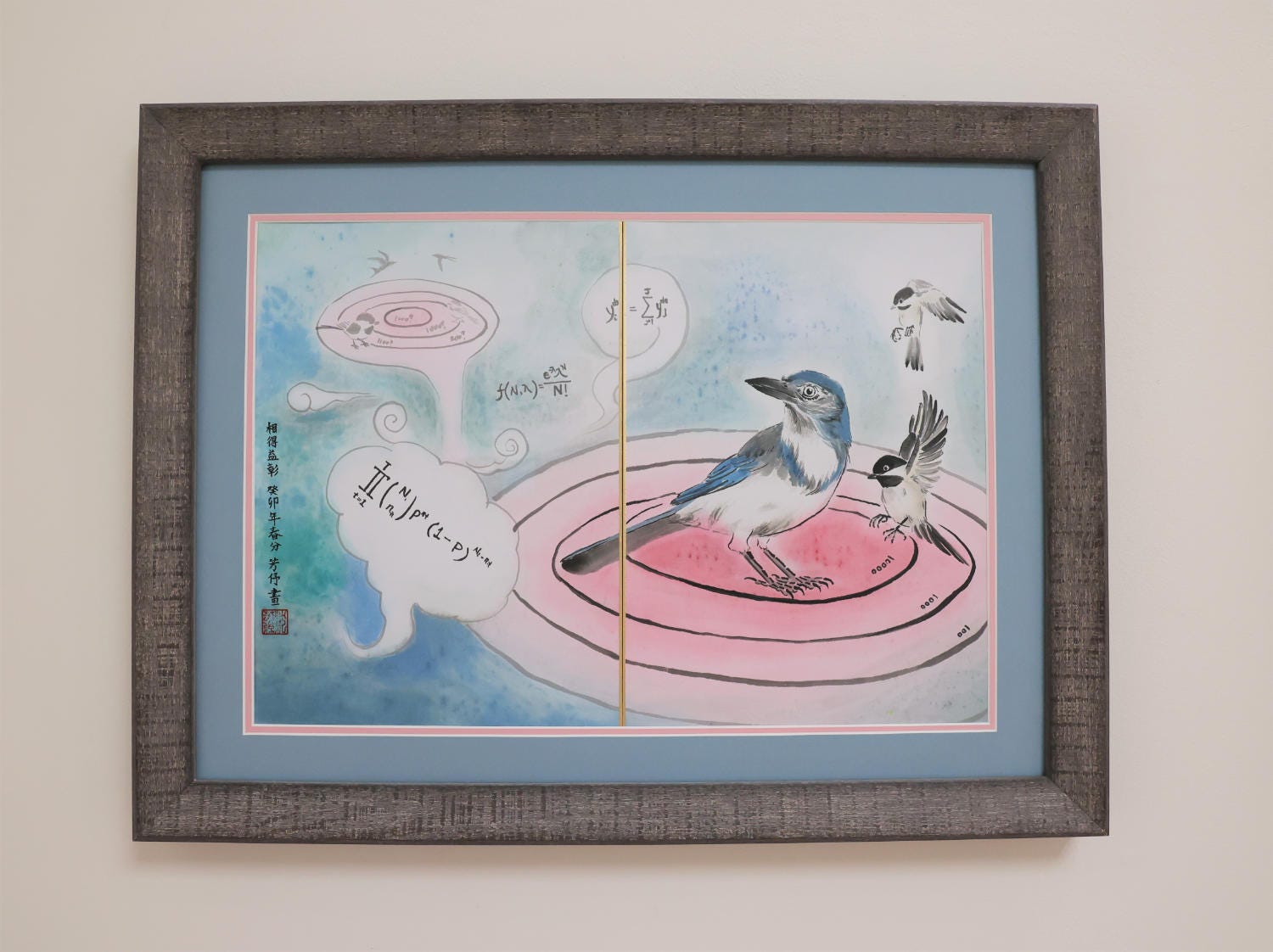
Even though I knew that Betty’s first language is Chinese, I didn’t realize how complex the language of art can sound to a non-native English speaker. Every conversation with Betty gave me new lessons in how to explain terms more clearly and taught me to say things in new ways. This grew into an opportunity for me to solidify my understanding of various aspects of art like value, color palettes, composition, and many others.
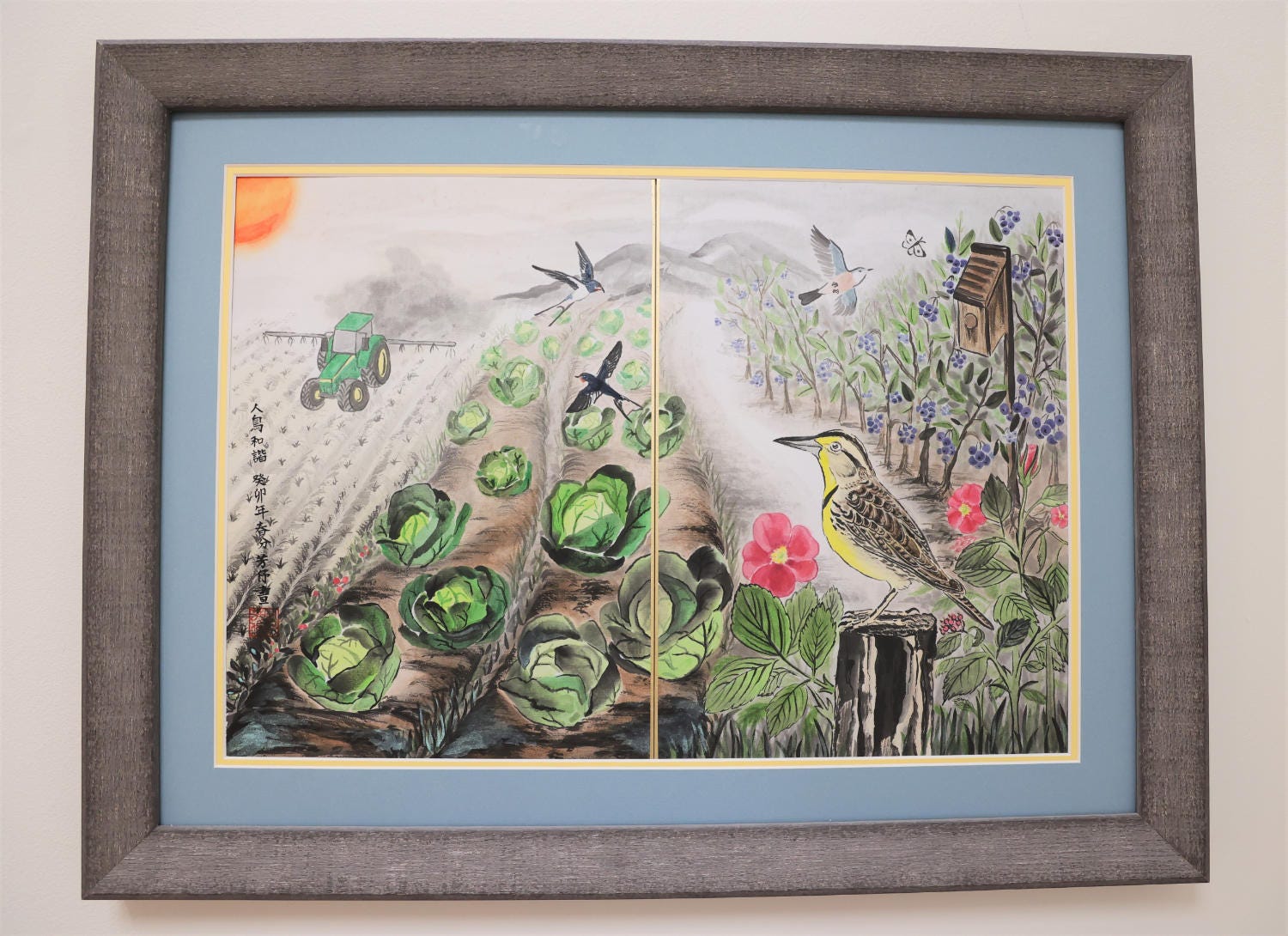
Perspective was another challenge for both me and Betty. Chinese traditional painting relies on a completely different way of depicting distance than the kind of linear perspective I am used to. Betty navigated this conundrum with so much grace and openness! It was only when she was writing her artist’s statement that I began to realize how challenging it had been for her to reconcile the expectations of Chinese art with Western approaches and methods.
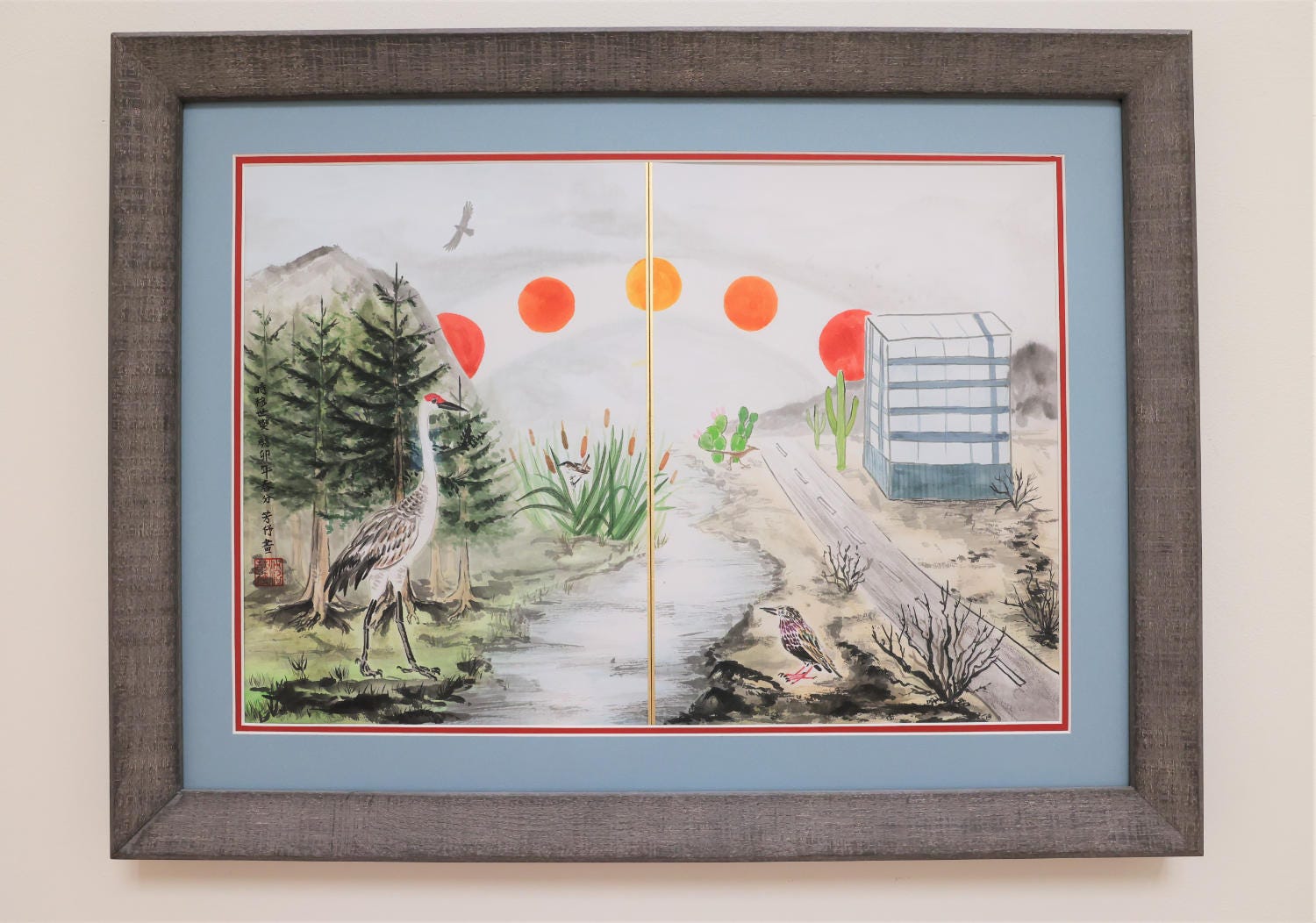
Looking back on my first art-science mentoring experience, I see how my own insecurities created obstacles for both me and my mentee. I was, and still am, in such awe of my mentors and their mentorship influenced me in dramatic and wonderful ways. As a consequence, I came into my first experience of being a mentor feeling a bit overwhelmed and having a lot of unrealistic expectations for myself. If I could go back and tell new-mentor me one thing, it would be slow down and enjoy the experience more.
My second mentee is Carina Kusaka.
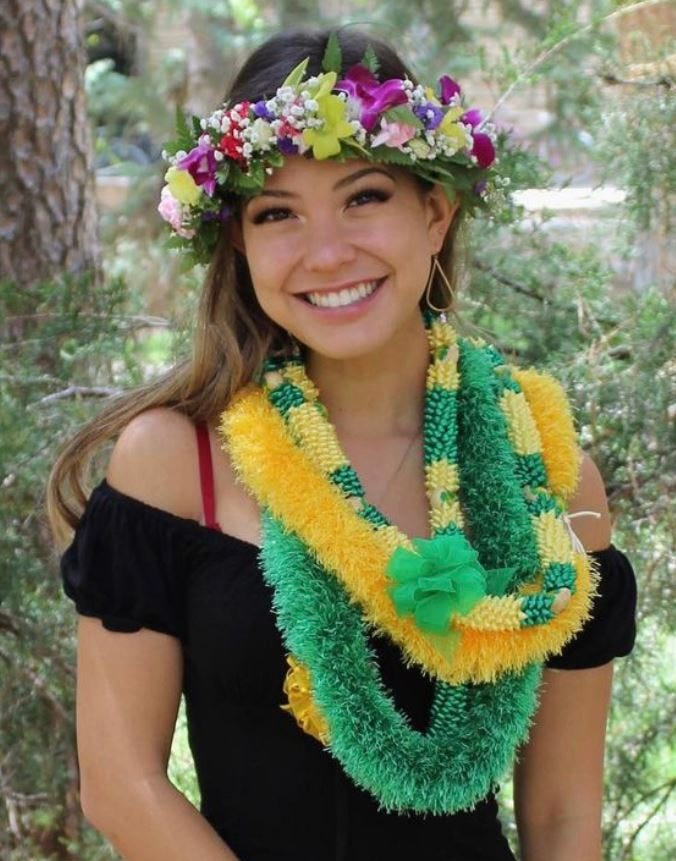
Like Betty, Carina Kusaka is also a Ph.D. student in the department of Fisheries, Wildlife, and Conservation Sciences at Oregon State where she is studying how habitat conditions affect Tufted Puffins. For her fellowship experience, Carina is working on a children’s book she is illustrating to teach kids about how climate change might affect birds through the story of Penny the Puffin. Her goal is to help people to become more engaged in conservation of coastal habitats as well as include those from under-represented groups. My job as mentor was to help her move her project along toward her final goal of publication.


Unlike Betty, who produced her illustrations during our mentorship, Carina arrived at her first session with many completed works. Although I have given critiques before, I got new lessons in how to talk about another artist’s work with love, kindness, empathy, and encouragement. I don’t know that I actually accomplished these intentions but truly, my whole heart around critique and its role in process has changed.
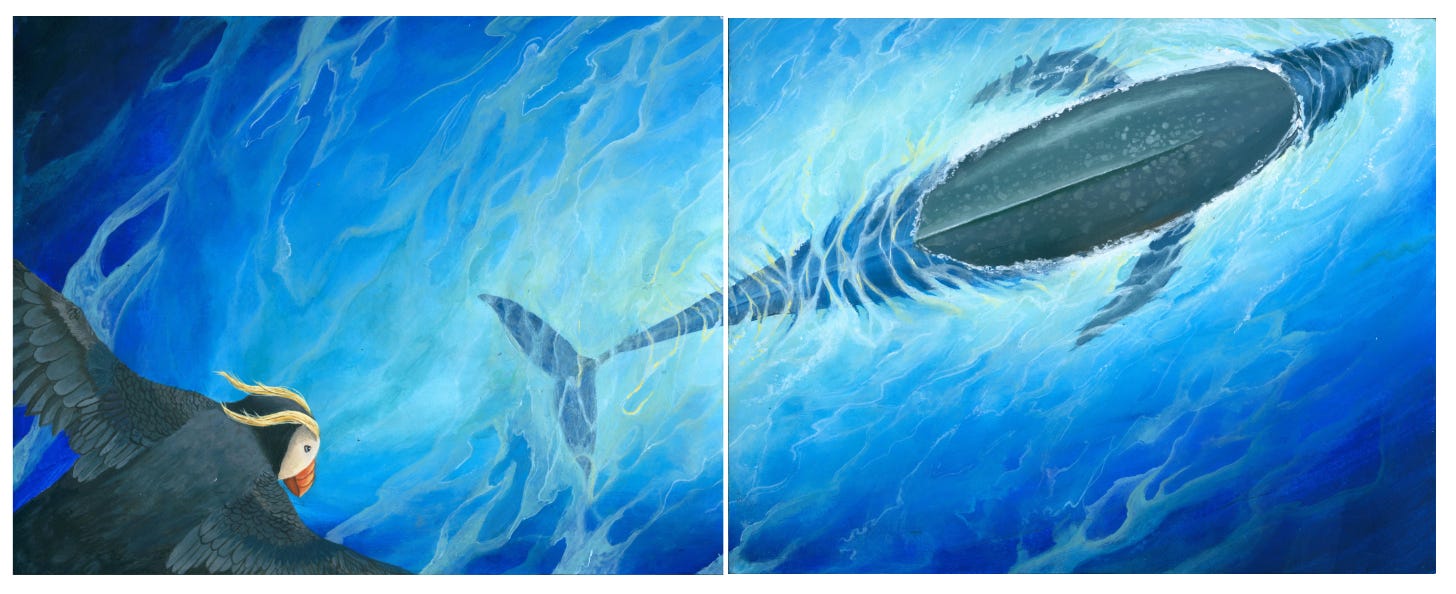
Together, Carina and I learned about storyboards and thumbnails, we explored cinematic composition, we talked about color temperature and emotion, we tackled page design and pagination.
The most significant lesson I learned while mentoring Carina was how much I love children’s illustration. An upcoming meeting became a delightful excuse to buy another book! I have learned so much by reviewing these works with her and seeing how different illustrators solve the same problems.
As I think back on my experience with Carina, I realize that working alone has been so isolating. One symptom of this was I found myself talking too much! I am still struggling with asking open-ended questions and then simply listening. Ah, if only I could go back and gently encourage past-Tara to curb her enthusiasm.
A few takeaways.
First, if you want to be mentored, don’t be afraid to approach someone whose work you admire and ask them if they take mentees. I took several of Dylan Mierzwinski’s Skillshare classes and then took a leap of faith and emailed her. That mentoring experience was very successful, in part, because I wanted to grow in a specific area that she had published a class on. If you decide to email an artist and explore mentoring, it’s very helpful to know exactly what you’re trying to accomplish and how you think they can help you.
Second, be open to mentoring others. There are lots of ways to do this without being in a formal setting like the fellowship that my mentees are part of. Simply talking with another artist and sharing your experience and know-how with them can be transformative. And I can’t over emphasize this point: Learning how to deliver constructive, empathic critique is a skill that will help them and you.
Finally, don’t let your insecurities and mistakes get the best of you. As someone who has a bad habit of being incredibly critical of herself, I could very easily have fallen into the trap of believing I have nothing to offer as a mentor. But this is not true! All of us have so much to offer and your experiences as an artist are valuable. Share them!
Have you been a mentor or a mentee? I’d love to hear about your experiences and what you learned. Please share in the comments!
Thanks for spending some time with me!
Tara. I have been sketching my backyard birds for almost a decade now. I love it. And, as you wrote I especially enjoy capturing that ‘jizz’, that individual bird. I’m wanting to take a class (online) to advance my understanding and skill to draw song birds but have not found any beyond beginner ‘draw this bird’ classes. Can you recommend any? I look forward to reading about your journey as a bird artist. Barbara